Table Of Content
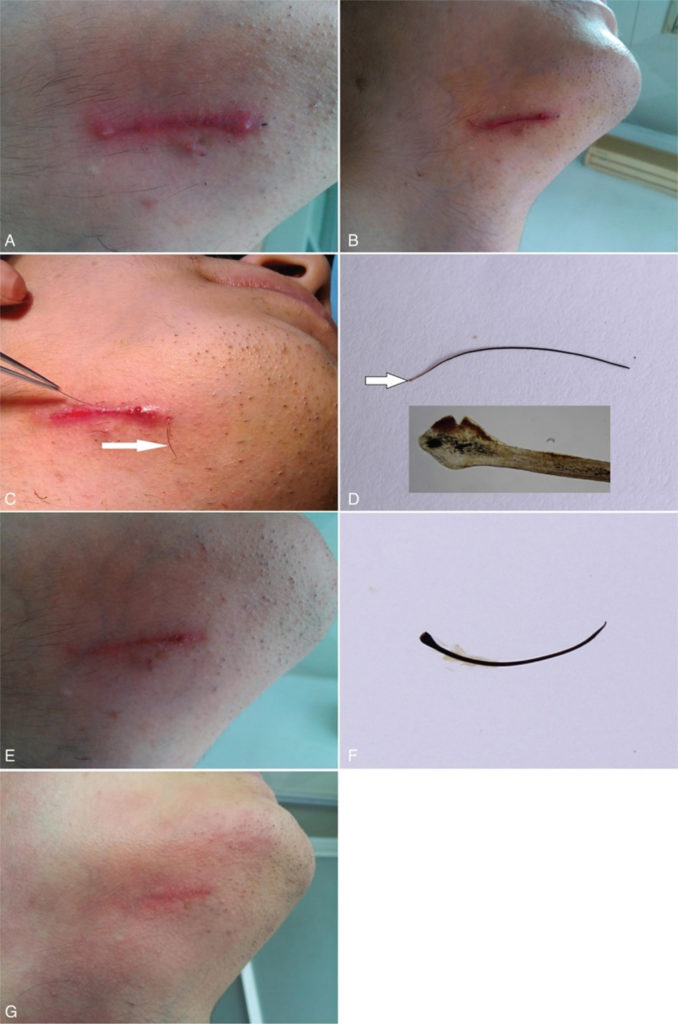
Infected ingrown hairs can be uncomfortable, but most clear up on their own in 7–10 days with good hygiene. If the hair is near the skin’s surface, however, you may be able to remove it by gently grasping it with sterilized tweezers. Many reviewers say that this popular razor provides a "close shave," is "great for sensitive skin" and doesn't cause razor burn. Other notes from the experts include using as few strokes as possible to avoid shaving too closely and shaving in the direction of hair growth. If these tips don’t work, check in with your dermatologist, who may be able to offer other hair removal methods that work better with your skin type and last longer. Treating ingrown hair at home is safe and straightforward, as long as you follow a few steps.
Calm your skin after shaving the bikini area.
"I recommend tea tree oil, both a natural anti-inflammatory and antiseptic, which can help calm razor burn," says Dr. Engelman. "If you’ve really caused some irritation, more intense creams, like topical steroids, can be prescribed to reduce redness, swelling, and pain." Wash off as soon as you put your razor down, and hold a cold compress to the area for 10 minutes to prevent irritation, says Ozaki.
Expert-Approved Ways To Treat & Prevent Ingrown Hairs
Please see a healthcare professional for help in this situation. Clean the area with warm, soapy water, clean your angled tweezers with alcohol and gently grasp the hair. If it’s difficult to see the area, use extra lighting like an LED ring light and a magnifying mirror.
Should you pop an ingrown hair?
If you're currently experiencing ingrown hairs on the scalp, it's important to choose a scrub with the right ingredients. Garshick recommends the Sukin Natural Balance Scalp Scrub ($16)—which contains soothing peppermint and ginger extract—because it gently exfoliates and helps to prevent ingrowns using bamboo powder. Fahs recommends the Nioxin Scalp Recovery Purifying Exfoliator ($24) because it contains exfoliating biodegradable cellulose microbeads and a burst of cooling mint to ease the scalp and provide a clean feeling. "Use this scrub before shampooing and massage directly onto the scalp, follow with shampoo and a moisturizing conditioner," explains Fahs. Deep ingrown hairs frequently arise when a hair has been removed and then starts growing back and curves into the skin.
Medical Treatment
If bacteria, fungi, or other pathogens enter the skin, an infection can develop, known as folliculitis. Ingrown hairs are also more likely to appear in areas of the body with thicker hair, such as the legs, underarms, pubic area and beards, according González. It’s also not unusual to find them on the face or the back of the neck. If you’ve never had an ingrown hair, you might not know how to spot one. "I recommend the use of alpha and beta hydroxy acids to exfoliate your skin, followed by a light non-comedogenic oil-free moisturizer," Dr. Murphy-Rose adds.
Ingrown hairs are most common in areas of hair removal, such as the face, legs, armpits, and pubic region. Shaving and waxing creates sharper hairs that tend to get trapped in the skin. Coconut oil, also known as lauric acid, is derived from coconuts. The lauric acid found in coconut oil can have antimicrobial properties, which can help kill bacteria on the skin and reduce inflammation. It is also known to help remove makeup, exfoliate the skin, and lock in moisture. Exfoliation gets rid of old, dry cells on the top layer of skin.
Anyone can experience an ingrown hair, but people who shave, tweezes or wax hair on their bodies are more at risk for developing ingrown hairs. According to the Mayo Clinic, having tightly curled hair is the number one risk factor for experiencing ingrown hairs. When tightly curled hair is cut and starts to grow back, it’s more likely to re-enter the skin rather than grow in a normal fashion. Shaving curled hair dry makes ingrown hairs even more likely. Ingrown hairs are hair follicles that grow in the wrong direction. Getting rid of them can be even more challenging than getting rid of pimples, but there are some great natural remedies you can try.

How to Get Rid of Ingrown Hairs - Oprah.com
How to Get Rid of Ingrown Hairs.
Posted: Tue, 24 May 2016 07:00:00 GMT [source]
Once the rag has cooled, soak it again with warm water and repeat the process 3 or 4 times. Then, get the ingrown hair to the surface of your skin by using a pair of tweezers to gently nudge the hair. When you can see the free end of the hair, slowly pull it until it sticks out of the skin. Avoid digging the hair out, as this can lead to an infection. After the hair has been pulled out, avoid picking at it again for 24 hours. To help keep the hair soft, soak it with a warm compress every 2 hours.
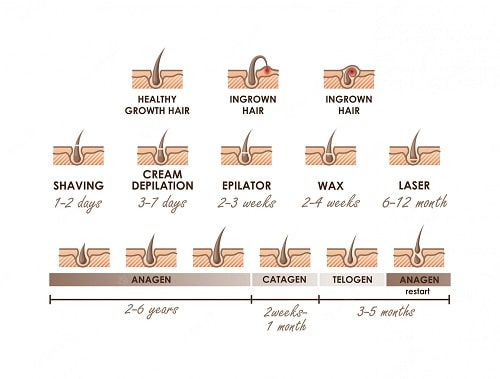
Fur creates products that are aimed at hydrating your skin and body hair — all while helping eradicate ingrowns. This bestseller from the brand is made to be used on "your most intimate areas" every day to help smooth and soothe skin. According to Fur, the oil is great for shavers, waxers and those who like to go au natural, too. Even better, the brand says that it can also double as a cuticle softener, split-end sealer and more. To start, you want to make sure that your skin is well-prepped.
Each razor has five blades to give you the closest shave with as few passes as possible and has an ergonomic handle with a soft-touch grip. It features moisturizing ingredients such as oatmeal and vitamin E, which the brand says will help you get a close, smooth shave without bumps, nicks or cuts. Help lubricate and protect your skin with a moisturizing formula like this one from Eos. It previously went viral on TikTok after one user called it her "secret" for a bump-free bikini line. Cue the inflammation, which can cause all sorts of uncomfortable symptoms, like red and irritated skin, a small bump with a visible hair or pus in the middle, pain and tenderness, and itchiness.
How To Get Rid of Ingrown Hairs - Expert Tips for Ingrown Hair - ELLE
How To Get Rid of Ingrown Hairs - Expert Tips for Ingrown Hair.
Posted: Fri, 26 Jul 2019 07:00:00 GMT [source]
For women, they’re more likely to pop up in the bikini area, Dr. Zeichner says. The intent of removing an ingrown hair with a small needle and tweezers, according to Minars, is to break the surface of the pore that has the angry hair follicle. Here are four ways to treat ingrown hairs at home, according to dermatologists. If your skin is really red, apply a cold compress, advises Dr. Wechsler — an ice pack wrapped in a soft cloth. If you’re in a pinch, you can apply some 1% hydrocortisone right after the wax or close shave, and then one more time the next day, which may take some of the redness out.
All three of our experts stressed that the first step in treating ingrown hairs on the scalp is to try to prevent them from forming at all. Garshick says it's important to use proper shaving techniques, including shaving in the direction of the hair growth, cleansing the skin, and wetting the hairs before shaving to make them softer. Other key preventative steps include washing your hair regularly and avoiding products that cause buildup on the scalp. As part of conventional ingrown hair treatment, your doctor may prescribe certain medications such as retinoids, steroid cream or antibiotic ointment for ingrown hairs.
That's right, using just a few ingredients you likely already have in your home, you can create DIY recipes that'll soothe inflammation, buff away dead skin cells, and resurface new skin to free trapped ingrown hairs. What's more, we tapped three skincare experts to share the home remedies that they approve and recommend. While they can be a frequent occurrence for people who remove their hair—be it from waxing, shaving, tweezing, etc.—they're nevertheless annoying and at times even painful. They occur when hair grows back and curls under the skin, becoming trapped. Thankfully though, there are several ways to treat and prevent them from occurring — and some of the best ones are home remedies. Thankfully, most ingrown hairs tend to work themselves out over time.
"It is highly effective and less painful, and most importantly safe on darker skin tones, which is ever so important in our changing demographics in the U.S.," Palm says. They pop up anywhere from bikini lines and beards to backs and legs—and if you happen to be prone to them, you know how frustrating it can be to treat them. The pimple-like bumps are actually hairs trapped inside their own follicles, and they can start attracting buildup, sebum, and dirt, resulting in an inflamed angry boil. And to remedy it, you may be tempted to reach for the tweezers and tools to do your own extractions, but stop right now.
When shaving, she says it's important to prepare the skin for both a clean shave as well as a clean surface, so that debris and dead skin cells do not get trapped into the pores. If you want to stick with shaving, do so in the direction of the hair. "Going against the grain may allow for a closer shave, but the closer the shave, the easier it is for your hair to curl back into your skin," says Dr. Frieling. And when you do shave, make sure the blade you're using is fresh and sharp; the duller the blade, the more you're scraping the skin, upping the likelihood of irritation and ingrowns, she adds.


No comments:
Post a Comment